
Wire Harness Market
Manufacturing Closer to the Market: What Hannover Messe and The Battery Show 2026 Reveal About the Future of European Industry
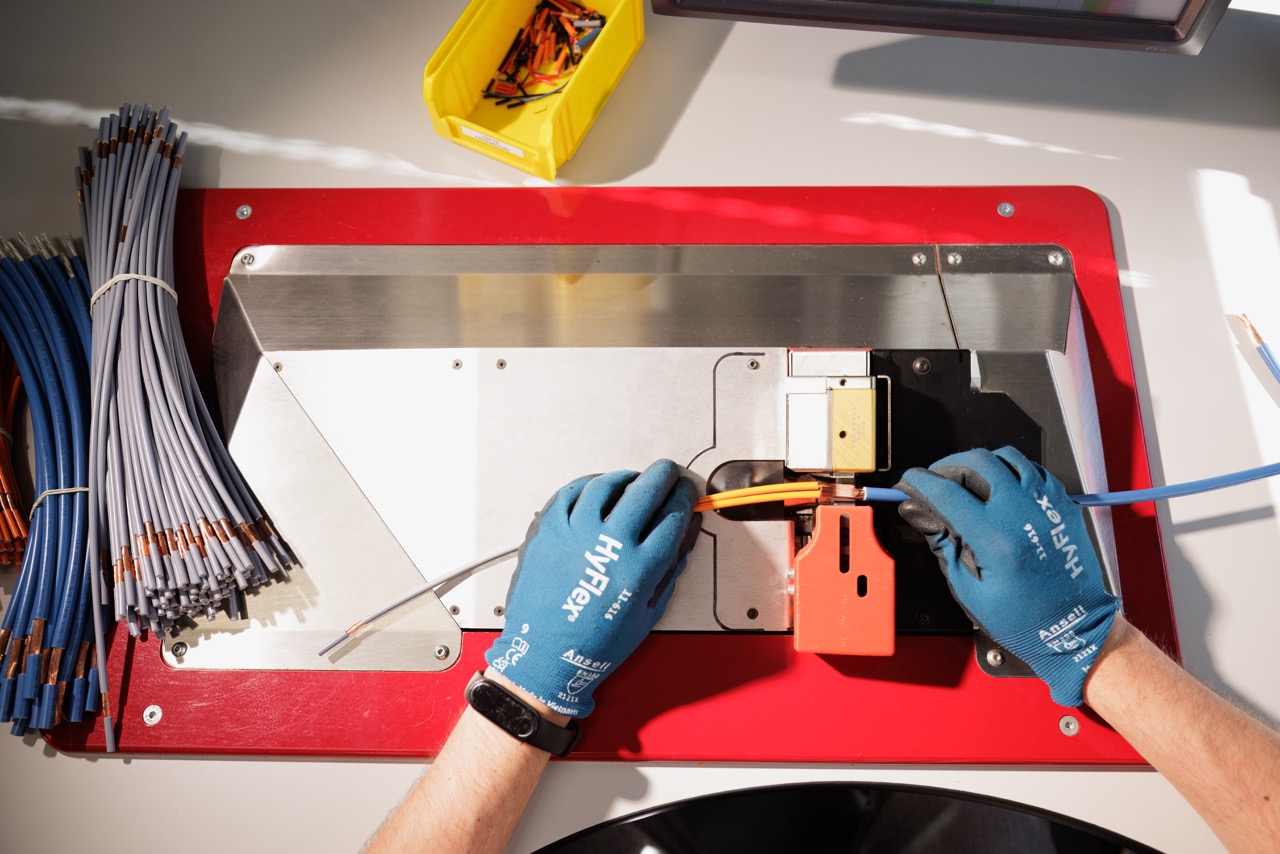
This year’s trade fairs showcased the latest advances in artificial intelligence, industrial automation, and digital manufacturing technologies. Yet beyond the technological innovations, the exhibition highlighted a far more fundamental shift—one that is redefining how manufacturers think about production itself.
For decades, global supply chains were designed primarily around cost efficiency. Manufacturing was concentrated in regions offering the lowest labor and operating costs, while increasingly complex logistics networks remained sufficiently predictable to support global production models.
Today, that paradigm is changing.
From Efficiency to Resilience
The disruptions of recent years—from the COVID-19 pandemic to geopolitical tensions and rising energy costs—have exposed the vulnerabilities of highly optimized global supply chains. As a result, industrial companies are increasingly treating supply chain resilience as a strategic priority alongside cost competitiveness.
This shift is changing the way manufacturing investments are evaluated. While cost remains important, factors such as supply continuity, operational flexibility, responsiveness, and quality assurance are becoming equally critical.
These considerations are now playing a central role in determining where production is located and how industrial ecosystems are developed.
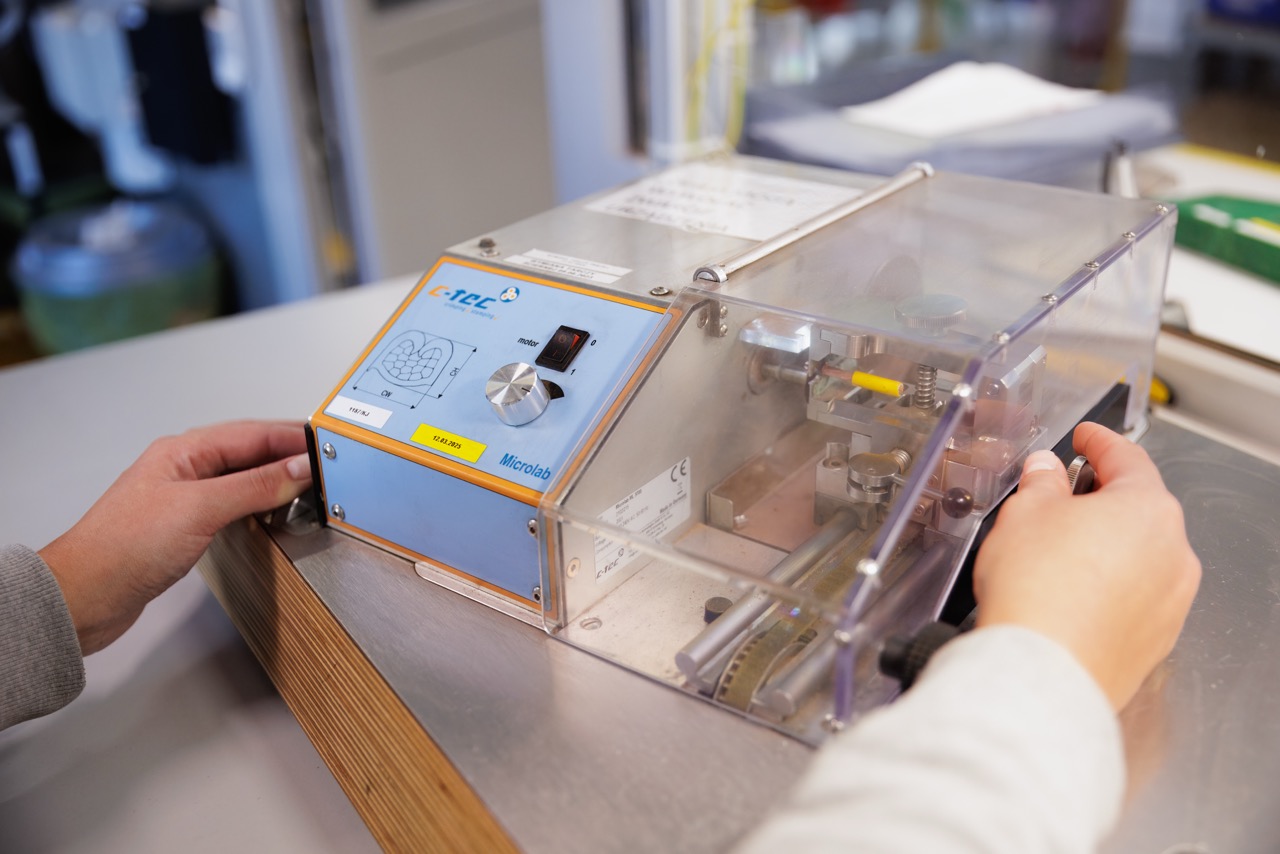
Europe Is Building a Stronger Industrial Ecosystem
This transformation is particularly evident across Europe. Hannover Messe 2026 highlighted a strong commitment to strengthening local industrial capabilities, especially in sectors such as renewable energy, e-mobility, battery technologies, and advanced manufacturing.
This is more than a response to recent disruptions. It represents a long-term strategy aimed at improving Europe’s technological sovereignty and strengthening regional manufacturing capacity.
The battery industry provides perhaps the clearest example. Expanding battery production requires more than large-scale manufacturing facilities—it also depends on a robust network of component suppliers, engineering partners, and specialized manufacturers capable of supporting increasingly complex production processes.
These broader supply chain challenges were also at the forefront of discussions during The Battery Show Europe 2026, where industry leaders focused on practical approaches to localized supply chains, system integration, and next-generation manufacturing technologies.
Nearshoring Becomes a Strategic Priority
Against this backdrop, nearshoring and reshoring strategies continue to gain momentum as companies move production closer to their end markets.
Although these approaches may increase unit production costs, they deliver significant operational benefits, including shorter lead times, greater supply chain transparency, improved communication, and stronger quality control.
For many manufacturers, these advantages now outweigh purely cost-driven considerations.
Rather than disappearing, global supply chains are evolving into more balanced and resilient networks designed to better withstand future disruptions.
The Changing Role of Suppliers
The evolution of manufacturing is also reshaping relationships throughout the supply chain.
In an environment where reliability, engineering expertise, and responsiveness are valued alongside competitive pricing, the traditional distinction between manufacturer and supplier is becoming less relevant. Increasingly, companies are building long-term partnerships based on collaboration rather than transactional purchasing.
This trend extends to component manufacturers, including wiring harness suppliers. Instead of being viewed as vendors delivering standardized parts late in the production process, they are becoming engineering partners involved from the earliest stages of product development.
Early collaboration enables better product optimization, application-specific solutions, and closer integration between manufacturers and suppliers throughout the product lifecycle.
In this context, proximity—both geographical and operational—is emerging as a significant competitive advantage.

A New Definition of Value
The concept of value itself is also evolving within the manufacturing sector.
Alongside price, companies increasingly evaluate suppliers based on supply chain stability, process transparency, engineering support, sustainability, and long-term collaboration.
These factors are no longer viewed simply as elements of corporate responsibility or brand positioning. In many industries, they have become essential requirements for operating successfully in an increasingly demanding regulatory and commercial environment.
This is particularly true in sectors supporting the energy transition, where expectations regarding quality, safety, traceability, and sustainability continue to rise.
Looking Ahead
The message emerging from Hannover Messe 2026 is clear: industry is not turning away from globalization—it is redefining it.
Operational proximity, greater control over manufacturing processes, and the ability to respond quickly to change are becoming key competitive advantages.
In practice, this means a gradual transition toward more resilient, sustainable, and regionally integrated production models in which local suppliers play an increasingly strategic role.
For companies throughout the industrial supply chain, this is not simply a change in direction—it represents a new way of operating, built on closer collaboration, shared responsibility, and a long-term commitment to creating value across the entire manufacturing ecosystem.
.jpg)
.jpeg)


.avif)
