
Wire Harness Design
5 Wire Harness Design Mistakes That Increase the Total Cost of Your Product
.jpg)
The cost of a wire harness extends far beyond the price of materials or the supplier’s invoice. For manufacturers of HVAC equipment, heat pumps, industrial machinery, and automation systems, the greatest cost savings are often achieved long before production begins—during the design phase.
This is when critical decisions are made that affect assembly time, production automation, product reliability, logistics, serviceability, and long-term component availability. Design mistakes made at this stage often remain unnoticed until mass production starts, when the cost of implementing changes increases significantly.
Below are five of the most common mistakes that unnecessarily increase the total cost of a project.
1. Designing Based Solely on the Electrical Schematic
A correct electrical schematic does not necessarily result in a wire harness that is easy or cost-effective to manufacture.
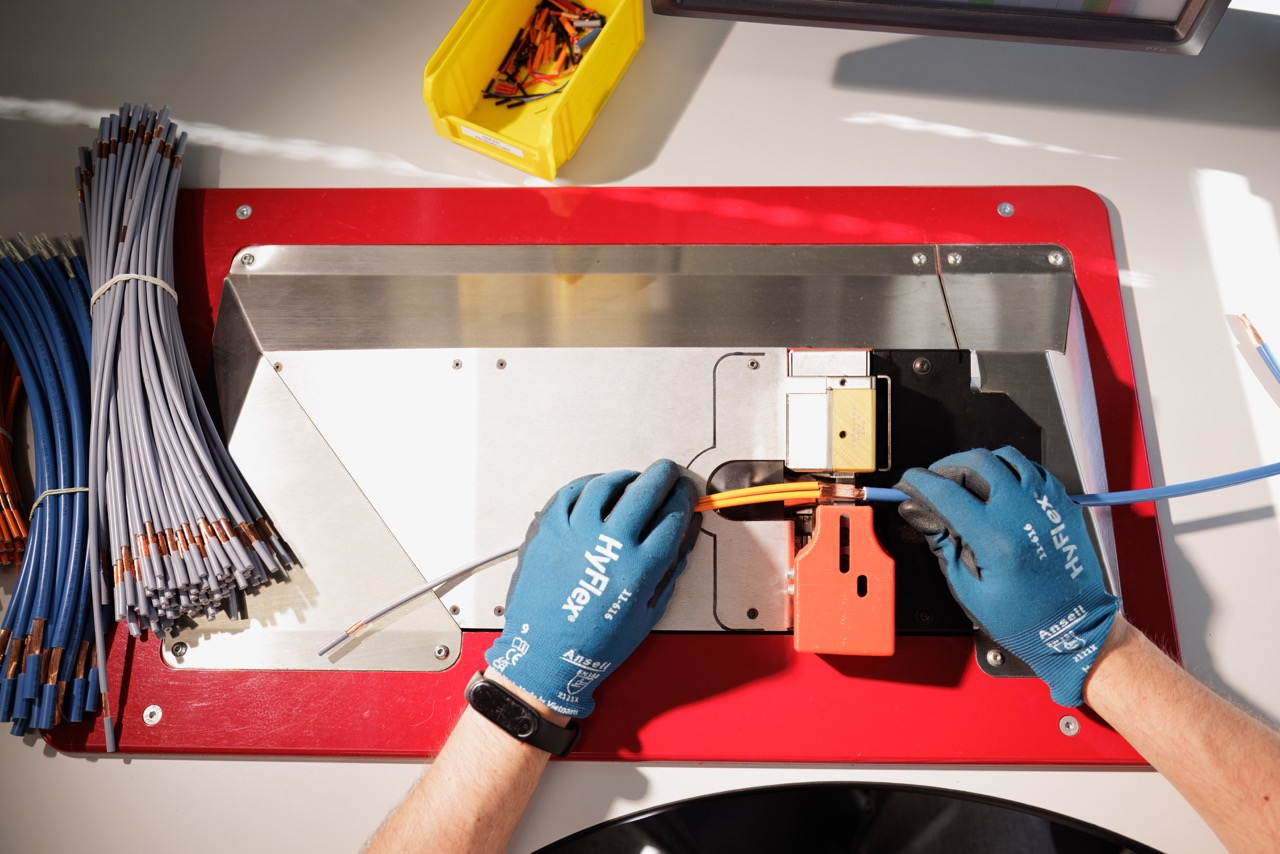
Only by considering the assembly process can you determine whether wires are routed efficiently, connectors remain easily accessible, and assembly operators can install the harness without unnecessary movements or additional operations.
Every extra operation performed on the assembly line increases production time. In high-volume manufacturing, even a few additional seconds per harness can translate into hundreds of labor hours over the course of a year.
For this reason, wire harness design should incorporate Design for Manufacturing (DFM) and Design for Assembly (DFA) principles. The objective is not only to ensure electrical functionality but also to create a design that is easy to manufacture, repeatable, and highly suitable for automated production.
.jpg)
2. Focusing Only on Component Cost Instead of Total Project Cost
The lowest-cost wire, terminal, or connector does not necessarily result in the lowest-cost wire harness.
Today, procurement professionals increasingly evaluate projects based on Total Cost of Ownership (TCO), which includes not only component purchase prices but also:
- assembly time,
- suitability for automated wire processing,
- component availability,
- risk of production downtime,
- quality and warranty costs,
- logistics costs,
- availability of qualified alternative components.
A component that requires manual processing or specialized tooling may ultimately generate significantly higher costs than a more expensive component that enables a highly automated manufacturing process.
3. Using Too Many Different Components
Every additional wire type, terminal, or connector increases the complexity of the entire supply chain.
A greater variety of components leads to:
- more complex bills of materials (BOMs),
- higher inventory levels,
- a larger supplier base,
- increased risk of picking and assembly errors,
- higher quality control costs,
- more complicated service and spare parts management.
Standardizing components simplifies not only manufacturing but also procurement, logistics, and engineering change management. In many projects, reducing the number of unique parts delivers greater savings than negotiating a small price reduction with suppliers.
4. Overlooking Manufacturing Automation Opportunities
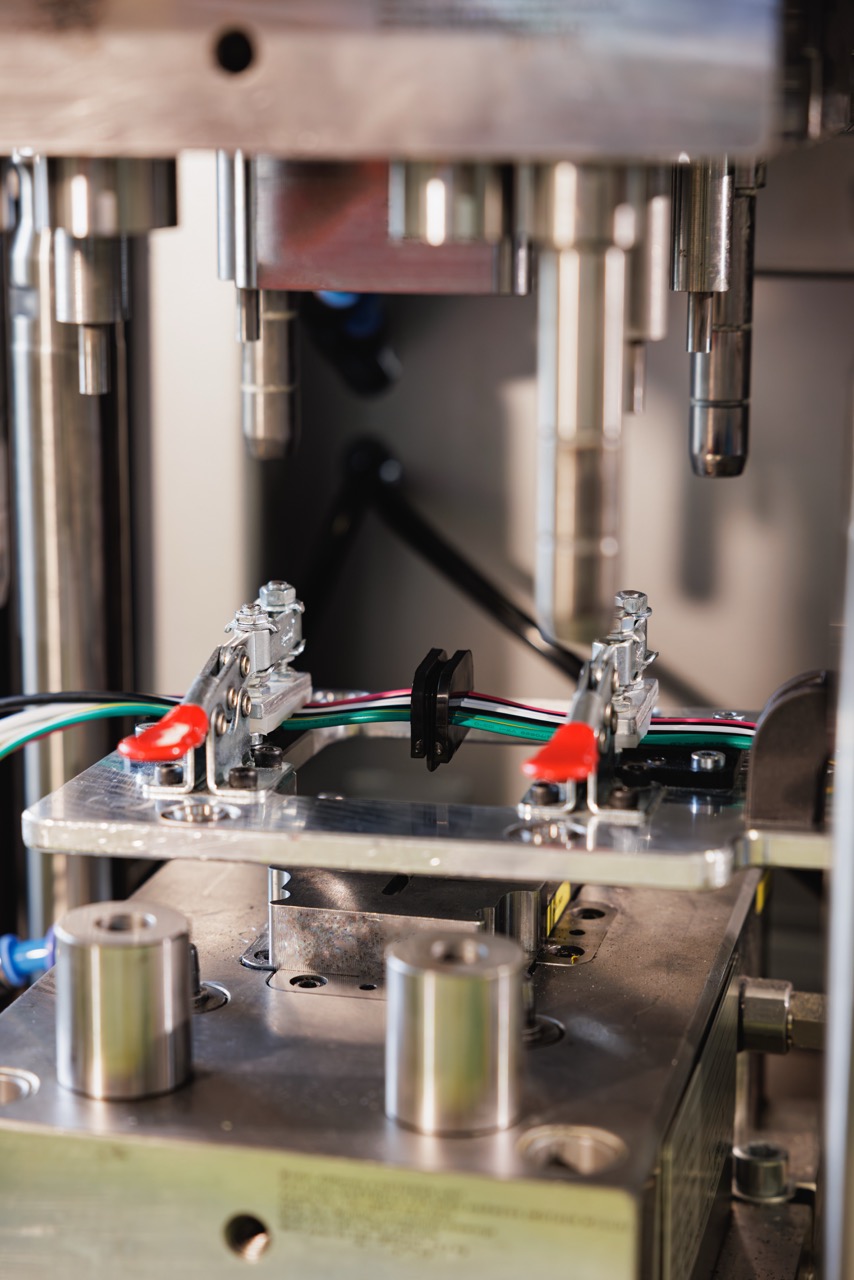
Modern wire harness manufacturing increasingly relies on automated equipment for wire cutting, stripping, crimping, and marking.
However, not every wire harness design allows manufacturers to take full advantage of these technologies.
Unusual wire lengths, uncommon terminals, complex assembly sequences, or excessive manual operations increase manufacturing costs while reducing process repeatability.
During the design phase, it is worth identifying opportunities to standardize or simplify the design in order to maximize production automation. In high-volume manufacturing, this often has a much greater impact on total cost than material prices alone.
5. Ignoring the Product Lifecycle and Supply Chain Resilience
Heat pumps, air handling units, and industrial equipment typically remain in production for many years. During that time, component availability changes, market requirements evolve, and some parts become obsolete.
Designing solely for the first production run increases the risk of costly engineering changes in the future.
During the design phase, it is worth considering:
- the possibility of using alternative components,
- multi-source component availability,
- the use of widely available industry-standard components,
- sufficient design flexibility to accommodate future product modifications.
This approach improves supply chain resilience and reduces the risk of production disruptions caused by obsolete or unavailable components.
The Greatest Cost Savings Are Achieved Before Production Begins
Experience shows that the greatest opportunities for cost reduction rarely come from negotiating lower component prices. Instead, they result from making better engineering decisions during the design stage.
That is why more and more equipment manufacturers involve their wire harness supplier early in the product development process. Reviewing the design together makes it possible to simplify the harness, reduce the number of components, increase automation potential, and minimize future manufacturing and supply chain risks.
The result is not only a lower wire harness cost, but also a lower total manufacturing cost, improved supply chain stability, and greater product reliability throughout the entire product lifecycle.

\\\\\\\\\\\\\\\\\\\\\\\\\\\
Is Your Project Ready for Quotation?
15 areas that have the greatest impact on the cost, quality, and lead time of a wire harness
Preparing a Request for Quotation (RFQ) involves more than simply gathering the required documentation. It is also the right time to verify whether the design has been reviewed from the perspective of manufacturing cost, automation potential, and supply chain resilience.
The following checklist highlights the areas that most often influence project cost, delivery lead time, and long-term production efficiency. You don’t need to have all the answers yourself. In most organizations, the knowledge required to evaluate these topics is spread across engineering, manufacturing, process engineering, and procurement.
Think of this checklist as a guide to the key areas that should be reviewed before production begins.
If your answer to some of these questions is “No” or “I don’t know,” it does not necessarily mean there is a problem with the design. It may simply indicate an opportunity for further optimization.
At OmegaOne, these are exactly the areas we review before preparing a quotation. We analyze your documentation to identify opportunities to simplify the harness design, improve manufacturing automation, increase component availability, and reduce the product’s Total Cost of Ownership (TCO). Whenever we identify optimization opportunities, we present our recommendations before production begins.
1. Is the documentation complete?
☐ Will the supplier receive the electrical schematic, Bill of Materials (BOM), and all information required to prepare an accurate quotation?
Why does it matter?
Incomplete documentation slows down the quotation process and increases the risk of incorrect assumptions.
2. Has the wire routing been designed with assembly in mind?
☐ Can the wires be routed without unnecessary crossings, difficult access, or complicated installation steps?
Why does it matter?
A well-designed routing reduces assembly time and minimizes the risk of installation errors.
3. Is the number of different wire types really necessary?
☐ Can the number of wire gauges, colors, or wire types be reduced?
Why does it matter?
Standardization simplifies procurement, inventory management, and manufacturing.
4. Has the number of terminals and connectors been minimized?
☐ Can multiple similar components be replaced with a single standardized solution?
Why does it matter?
Fewer unique components simplify the supply chain and reduce overall project complexity.
5. Is the design suitable for automated manufacturing?
☐ Can the selected wires and terminals be processed using automated cutting, stripping, and crimping equipment?
Why does it matter?
Automation improves manufacturing consistency while reducing production costs.
6. Are all manual operations truly necessary?
☐ Can the design be simplified without affecting product functionality?
Why does it matter?
Every manual operation increases manufacturing cost and production time.
7. Are all components readily available?
☐ Are the selected components widely available from the market?
Why does it matter?
Hard-to-source components increase the risk of delays, shortages, and price fluctuations.
8. Are equivalent components acceptable?
☐ Does the design allow the use of approved alternative components where appropriate?
Why does it matter?
Greater flexibility improves supply chain resilience and reduces sourcing risk.
9. Does the design allow for future product changes?
☐ Can future product modifications be implemented without completely redesigning the wire harness?
Why does it matter?
A small amount of design flexibility can significantly reduce the cost of future product revisions.
10. Have wire identification requirements been defined?
☐ Are wire marking, labeling, or printing requirements clearly specified?
Why does it matter?
Clear identification simplifies manufacturing, assembly, maintenance, and servicing.
11. Have testing requirements been defined?
☐ Are the required electrical tests and quality control procedures clearly specified?
Why does it matter?
Clearly defined testing requirements help establish an efficient production process from the very first production batch.
12. Are logistics requirements clearly defined?
☐ Have packaging, labeling, and delivery requirements been specified?
Why does it matter?
Well-defined logistics reduce the risk of damage during transport and improve assembly efficiency.
13. Are the expected production volumes known?
☐ Does the supplier know whether the project is intended for prototypes, low-volume production, or high-volume manufacturing?
Why does it matter?
The optimal manufacturing approach depends heavily on production volume.
14. Has the project been evaluated from a Total Cost of Ownership (TCO) perspective?
☐ Has the analysis considered not only component cost but also assembly time, logistics, serviceability, and component availability?
Why does it matter?
The lowest purchase price does not necessarily result in the lowest total product cost.
15. Has the project been reviewed by a wire harness manufacturer before requesting a quotation?
☐ Has the design been evaluated for opportunities to simplify manufacturing, improve assembly, and reduce overall production costs?
Why does it matter?
An experienced wire harness manufacturer can often identify opportunities to reduce manufacturing costs without affecting product performance or functionality.
Summary
If you answered “Yes” to most of these questions, your project is likely well prepared for the quotation process.
If you answered “No” or “I don’t know” to several of them, it may be worthwhile to discuss the project with an experienced wire harness manufacturer before requesting a quotation. An early design review often reveals opportunities to simplify the design, increase manufacturing automation, and reduce the Total Cost of Ownership (TCO)—without requiring costly engineering changes later in the project.
.jpeg)


.avif)
