
Wire Harness Market
From PVC to TPU: A New Material Standard for Industrial Wiring Harness Manufacturing
Originally published by Evertiq Poland (www.evertiq.pl)
As requirements for reliability, safety, and sustainability continue to increase, manufacturers are moving away from legacy materials and production standards in electrical components—including wiring harnesses. One of the most significant shifts is the transition from traditional polyvinyl chloride (PVC) cable jackets to more advanced thermoplastic polyurethane (TPU) materials.
OmegaOne, a company specializing in the design and manufacture of high-quality wiring harnesses, has embraced this transition and is already delivering TPU-based solutions to customers in industries such as HVAC, renewable energy, and e-mobility.

Why PVC Is Becoming Less Attractive
For decades, PVC was the material of choice for cable insulation and jacketing due to its low cost and relatively good electrical insulation properties. However, as new applications demand greater resistance to high voltages, continuous movement, and harsh environmental conditions—and as regulations become more stringent—the limitations of PVC are becoming increasingly apparent.
Industry data shows that PVC can become brittle at low temperatures, offers limited resistance to abrasion and mechanical stress, and, importantly, contains chlorine. In the event of fire or thermal failure, PVC may release corrosive and toxic fumes, posing significant safety risks.
As a result, the industry is gradually moving away from chlorinated polymers and halogen-containing materials toward halogen-free alternatives. For wiring harness manufacturers serving sectors such as renewable energy infrastructure, heat pumps, and electric vehicles, selecting a cable jacket material with superior mechanical and chemical resistance, while meeting stringent safety requirements, has become essential.
What Advantages Does TPU Offer?
Thermoplastic polyurethane (TPU) represents a significant technological advancement over conventional PVC, particularly in applications requiring flexibility, durability, and resistance to demanding operating conditions.
Key advantages include:
- A wide operating temperature range, typically from approximately -40°C to +120°C, significantly broader than that of standard PVC materials.
- Excellent resistance to abrasion, chemicals, oils, and environmental exposure.
- Superior flexibility and mechanical durability under dynamic operating conditions.
- Compatibility with halogen-free cable designs that help reduce the emission of toxic and corrosive gases in the event of fire.
As safety and sustainability requirements continue to evolve, halogen-free materials are increasingly specified by both regulatory bodies and end users, particularly in sectors such as data centers, renewable energy systems, and e-mobility infrastructure.
For OmegaOne, adopting TPU enables the company to deliver products that meet higher performance, safety, and quality standards while creating a clear competitive advantage in demanding markets.
How OmegaOne Is Implementing This Transition
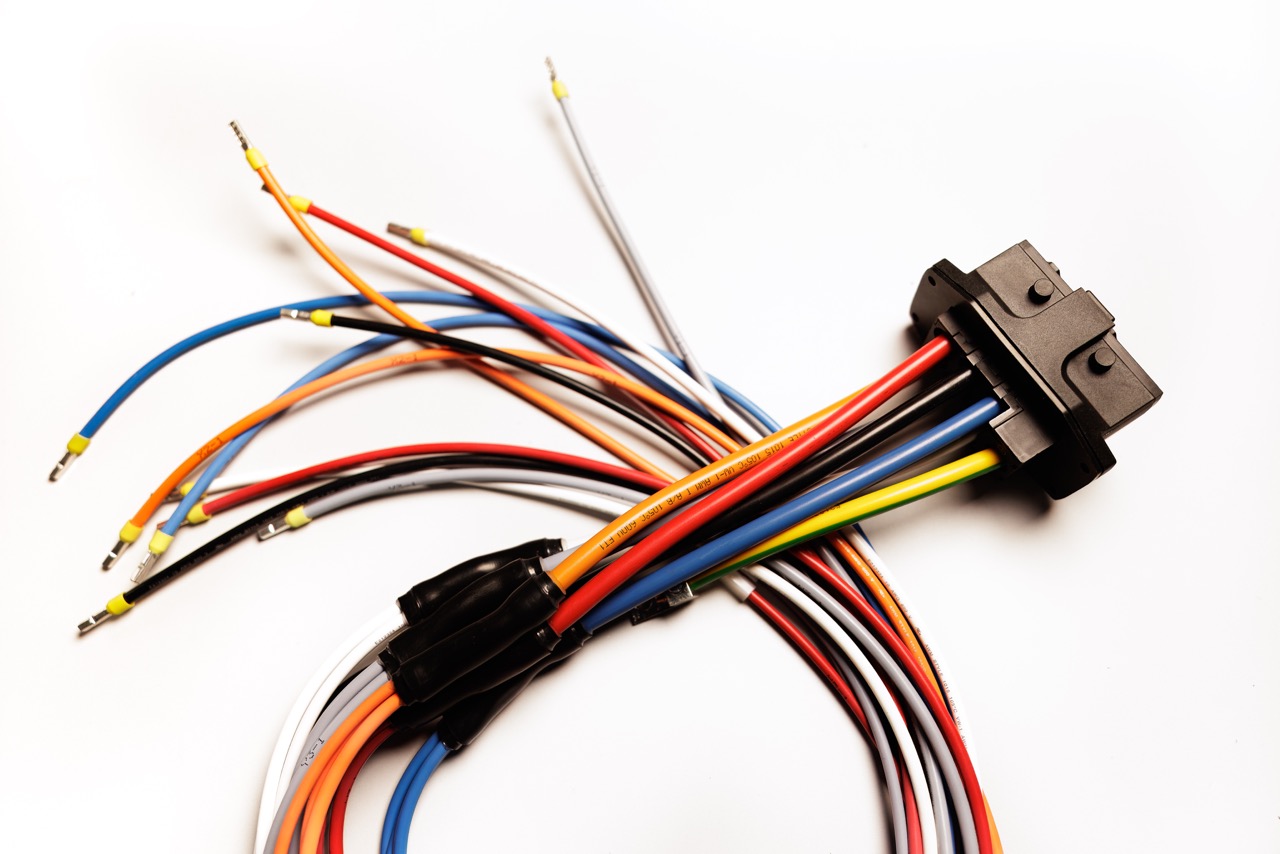
OmegaOne is already delivering projects in which TPU serves as the primary cable jacket material. One example is the company’s collaboration with Daikin in the heat pump and air conditioning sector.
The decision to use TPU was driven by the need for greater durability and improved safety performance. In such applications, traditional PVC-based solutions could present challenges related to long-term durability and the generation of potentially harmful fumes under extreme operating conditions.
“When a cable is expected to operate inside a heat pump or air conditioning system for many years—often under elevated temperatures and humidity levels—the jacket material must deliver uncompromising reliability. For us, choosing TPU is not only a technological decision but also a commitment to our customers and to environmental responsibility,” says Kacper Gacek, CEO of OmegaOne.
This approach enables OmegaOne to enhance product durability while aligning with growing customer demand for solutions that comply with safety standards such as LSZH (Low Smoke Zero Halogen) and support broader sustainability objectives.
Market Trends Driving Material Innovation
Industry analyses indicate that material trends in cable and wiring harness manufacturing are increasingly focused on improved mechanical performance, reduced emissions of toxic gases, and better suitability for next-generation applications such as electric vehicles, renewable energy systems, and data centers.
Halogen-free materials and high-performance cable jackets are becoming standard requirements—not only because of regulatory frameworks such as REACH and RoHS, but also due to rising expectations from OEMs and end users.
In this context, TPU is no longer simply an alternative to PVC. It is rapidly becoming the preferred material—and in many applications, the future industry standard—for advanced wiring harness solutions.
What This Means for Customers and the Supply Chain
For customers, the transition to TPU translates into greater system reliability, longer service life, and reduced risk associated with cable insulation and jacket performance.
For wiring harness manufacturers such as OmegaOne, it represents a strategic investment in quality and technological leadership, ensuring readiness for future market requirements rather than merely meeting today’s expectations.
While advanced materials such as TPU may involve higher initial costs compared to PVC, the long-term benefits—including increased durability, reduced maintenance requirements, and lower risk of system failures—often result in a significantly lower total cost of ownership.
Preparing for the Future
The transition from PVC to TPU is about much more than replacing one polymer with another. It is a response to real-world challenges: increasingly demanding operating environments, stricter environmental regulations, higher safety requirements, and the need for long-term durability.
OmegaOne has already taken this step. By adopting advanced material technologies today, the company demonstrates that wiring harness manufacturing can be innovative, responsible, and prepared for the future demands of e-mobility, renewable energy, HVAC systems, and digital infrastructure.
.jpg)
.jpeg)


.avif)
